Inground Pools: Professional Pool Design
Selecting the Perfect Swimming Pool: Types and Design Ideas for Your Backyard
Selecting the perfect swimming pool demands close examination of various designs and types. Every choice, from in-ground to above-ground and inflatable pools, offers specific pros and cons. Understanding these differences helps homeowners make informed choices that complement their personal preferences and lifestyle. Since both aesthetics and functionality are essential, exploring modern design trends and landscaping ideas becomes important. Which elements should homeowners consider to secure a smooth and effective installation?
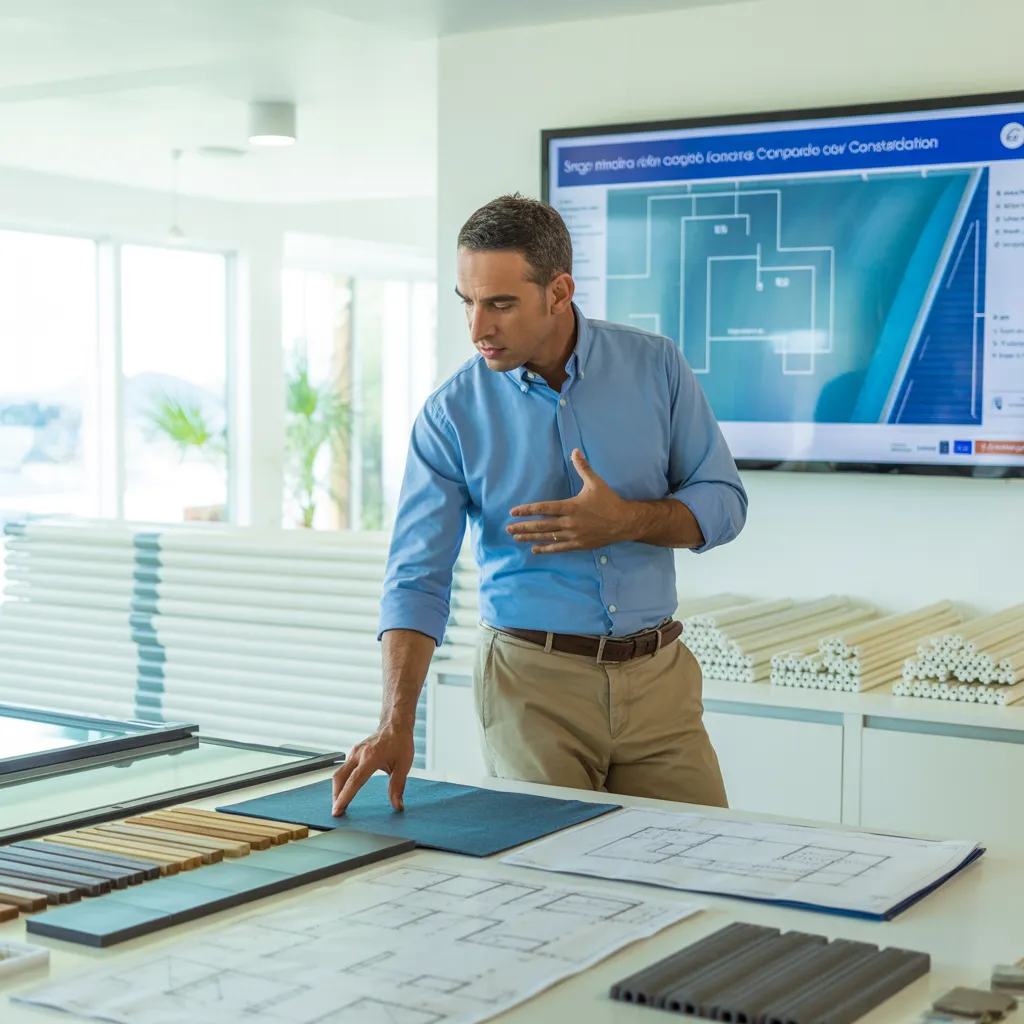
Which Type of Swimming Pool Is Right for You?
Deciding on the right swimming pool type can be a challenging decision for many homeowners. A number of factors, including financial considerations, space, and intended use, play important roles in this decision. Homeowners may look into options such as in-ground pools, above-ground pools, and even inflatable pool options.
Inground pools, often seen as a more lasting solution, support varied design options and personalization, addressing visual preferences and seamless landscape blending. On the other hand, above-ground pools provide affordability and easier installation, making them a practical choice for homeowners seeking budget-friendly or short-term solutions.
Furthermore, inflatable pools deliver convenience and flexibility, perfect for limited spaces or temporary needs. Each type has distinct advantages and drawbacks, so future pool owners must evaluate their specific circumstances carefully. In the end, the ideal swimming pool option should correspond to personal lifestyle, upkeep ability, and future objectives, providing a fulfilling investment that enriches outdoor experiences.
Comparing In-Ground and Above-Ground Pools
When considering a pool, property owners frequently struggle with the dilemma between above-ground and in-ground options. Underground pools typically offer a more lasting and visually appealing choice, effortlessly merging with the landscape. They can be customized in shape, materials, and size, allowing for a personalized adaptation to any backyard design. That said, the installation process can be expensive and lengthy.
By comparison, above-ground pools represent a more affordable entry point for families looking for water-based recreation. Installation is simpler and can often be set up in a matter of days. While they may lack the aesthetic charm of built-in pools, modern designs have improved their aesthetics remarkably. Maintenance for both types varies, with in-ground pools typically demanding more maintenance. In the end, the decision copyrights on personal preferences, budget, and desired longevity, requiring homeowners to carefully evaluate the advantages and disadvantages of each choice.
Top-Rated In-Ground Swimming Pool Choices
When picking out an in-ground swimming pool, a few standout choices offer distinct benefits. Concrete pools provide long-lasting durability and extensive customization options, while fiberglass pools deliver speedy installation and reduced maintenance demands. Vinyl liner pools present an affordable alternative with a variety of design choices, each catering to different preferences and budgets.
Benefits of Concrete Pools
Concrete pools stand out as a top selection for in-ground swimming options due to their long-lasting nature and versatile design. In contrast to alternative materials, concrete can be molded into virtually any form or dimension, enabling homeowners to craft a tailored sanctuary that enhances their outdoor space. This versatility allows for features such as steps, benches, and water features can be seamlessly integrated. Moreover, concrete pools are remarkably durable, built to handle harsh weather conditions and heavy usage. Given the right upkeep, they offer decades of service, making them a worthwhile long-term commitment. Additionally, concrete's porous nature enables diverse surface treatments, from tiles to plaster, enhancing aesthetic appeal. Overall, concrete pools offer a balance of performance and beauty, making them a superior selection.
Advantages of Fiberglass Pools
Fiberglass pools present an attractive option for homeowners looking for an in-ground pool option, especially due to their reduced maintenance demands and efficient installation procedure. Constructed from a durable material, these pools resist algae growth, greatly reducing the need for chemical treatments. Their smooth surface is not only pleasing to the touch but also minimizes the risk of scratches and abrasions. Additionally, fiberglass pools come in a variety of shapes and sizes, enabling personalization to complement various backyard designs. The flexibility in design enables homeowners to create a unique outdoor space. Additionally, their efficient energy use can contribute to decreased heating bills, making fiberglass pools a practical and economical choice for individuals seeking to upgrade their outdoor living space.
Vinyl Liner Selections
Vinyl liner pools are a popular choice for homeowners looking for a customizable and cost-effective backyard swimming solution. These pools are equipped with a durable vinyl liner, which allows for numerous shapes and dimensions, accommodating a wide range of backyard styles. Homeowners have access to a wide variety of patterns and color combinations, elevating the overall look of their outdoor spaces.
In addition, vinyl liner pools are generally less expensive to construct relative to concrete and fiberglass counterparts. Maintenance is simplified as well, as the smooth surface limits algae development. Nevertheless, it is essential to acknowledge that liners commonly need to be renewed every seven to fifteen years, influenced by how they are used and maintained. All things considered, vinyl liner pools provide an attractive combination of affordability, versatility, and manageable maintenance for contemporary homeowners.
Innovative Swimming Pool Designs for Your Outdoor Space
What makes a modern swimming pool design stand out in a backyard? The sleek lines and minimalist aesthetics create an inviting atmosphere that seamlessly blends with contemporary architecture. These pools frequently incorporate geometric forms, such as rectangles or squares, improving definition and visual appeal in outdoor areas. Elements such as glass, stainless steel, and natural stone are commonly employed, delivering a refined yet subtle appearance.
Infinity edges represent a defining feature of contemporary design, providing a visual connection between the pool and its surroundings, often giving the illusion of water extending into the horizon. Moreover, including amenities like LED lighting and built-in seating improves practicality and enriches the overall ambiance.
Water elements, such as fountains or cascading waterfalls, can be incorporated to add a sense of elegance. Ultimately, modern swimming pool designs prioritize not only beauty but also the experience, transforming backyards into luxurious retreats that invite relaxation and enjoyment.
Landscape Design Concepts to Enhance Your Pool Area
Elevating the pool area demands careful landscaping that establishes a cohesive environment. Incorporating lush greenery, attractive deck elements, and effective shade structures can convert the space into a serene oasis. These additions not only boost the visual atmosphere but also enhance functionality and ease.
Rich Green Environments
When evaluating the visual beauty of a swimming pool, lush green surroundings can significantly improve the overall experience. Integrating dynamic garden features, such as ornamental grasses, vibrant shrubs, and local flora, creates a tranquil atmosphere that harmonizes with the water's cool shades. Strategically placed trees not only offer shelter but also add vertical interest, while low-lying vegetation can gentle harsh lines around the pool area. Moreover, the incorporation of tropical plants, like palms and ferns, can evoke a resort-like atmosphere. To enhance the aesthetic effect, arranging plants at different levels establishes visual complexity, while colorful blooms deliver periodic visual excitement. Ultimately, a well-designed landscape transforms the pool area into a detailed resource peaceful retreat, encouraging rest and leisure.
Decorative Pool Deck Surfaces
Decorative pool decking serves as an essential element in establishing an appealing and versatile outdoor environment. It enhances the overall aesthetic while providing a safe surface for poolside activities. Numerous materials, like natural stone, concrete, and wood, present varied textures and tones, giving homeowners the freedom to pick styles that suit their landscape. Incorporating patterns, mosaics, or decorative tiles can further elevate the visual appeal. Moreover, including landscape features, like plant beds or lounge areas, can effortlessly unify the decking with the outdoor space. Adequate drainage and non-slip surfaces are essential factors for ensuring safety. By thoughtfully selecting and designing pool decking, homeowners can transform their pool area into a luxurious retreat that reflects personal style and encourages relaxation.
Useful Shade Choices
A well-designed pool area balances visual appeal with comfort and functionality. To enhance the usability of the space, incorporating functional shade options is essential. Pergolas provide an elegant option, offering dappled shade while letting natural light pass through. Shade sails are a flexible alternative, simple to reposition for optimal sun protection. For a fixed architectural feature, gazebos can create a cozy retreat, equipped with amenities and stylish accents. Additionally, carefully positioned trees and hedges can provide natural shade, enhancing the natural character of the space. These options serve a dual purpose of shielding swimmers from intense rays while forming comfortable zones for unwinding, ensuring the pool space remains pleasant at all hours.
Financial Planning for Your Dream Swimming Pool
Even though the attraction of a dream swimming pool is compelling, careful budgeting is vital to turn that vision into reality. Homeowners are advised to first assess their complete budget, factoring in both initial installation and long-term maintenance costs. Considerations such as pool category—inground or above ground—have a major impact on expenses. Inground pools, despite their higher price tag, tend to substantially increase property value.
Moreover, it's essential to budget for supplementary amenities like decking, lighting, and heating, which can improve the overall swimming experience but also substantially drive up the budget. The landscaping surrounding the pool should also be factored into the budget, as it adds to the general visual appeal.
Finally, pool buyers should allocate finances for unanticipated costs, which can occur during the building process. Engaging with experts for estimates and exploring financing options can offer guidance and assist in organizing the financial planning, guaranteeing that the ideal pool becomes a worthwhile investment without financial strain.
Questions Our Clients Often Ask
How Do I Maintain Pool Water Quality Year-Round?
In order to preserve pool water quality all year long, routine testing and adjustment of pH and chlorine levels is necessary. Regular cleaning, filtration, and water temperature monitoring further support a safe and healthy swimming environment.
What Safety Features Should I Consider for My Pool?
Important safety elements to consider for a pool encompass pool covers, fencing, alarms, self-closing gates, and slip-resistant surfaces. Moreover, incorporating pool lighting and guaranteeing appropriate supervision can substantially boost safety for all swimmers.
Am I Able to Install a Pool Myself?
Indeed, a pool may be constructed by an individual, provided the individual possesses the needed tools, skills, and expertise. That said, professional support is generally recommended to confirm proper construction, safety, and compliance with local regulations.
What Permits Are Required for Pool Installation?
Pool installation permits generally consist of plumbing, building, and electrical permits. Local regulations may vary, so it is essential to consult with local authorities to ensure adherence to zoning laws and safety standards.
What Are the Best Ways to Heat My Pool Efficiently?
For efficient pool heating, it is possible to use solar heaters, heat pumps, or gas heaters. Additionally, placing a solar cover on the pool can effectively retain heat, minimizing energy loss during cooler nights and boosting the pool's overall heating efficiency.